Channel
Basics Theory
Focused reporting, useful context, and fresh perspectives in one place.
 Basics Theory
Teaching AI Visual Reasoning
Teaching AI visual reasoning: define operator skills, build shortcut-resistant datasets, add evidence and intermediate-step supervision, and evaluate brittleness and calibration.
 Basics Theory
AI Mimics Human Thinking
Learn why AI seems to think like humans, how language models learn, and the key gaps—memory, goals, grounding—that make over-trust risky in real workflows.
 Basics Theory
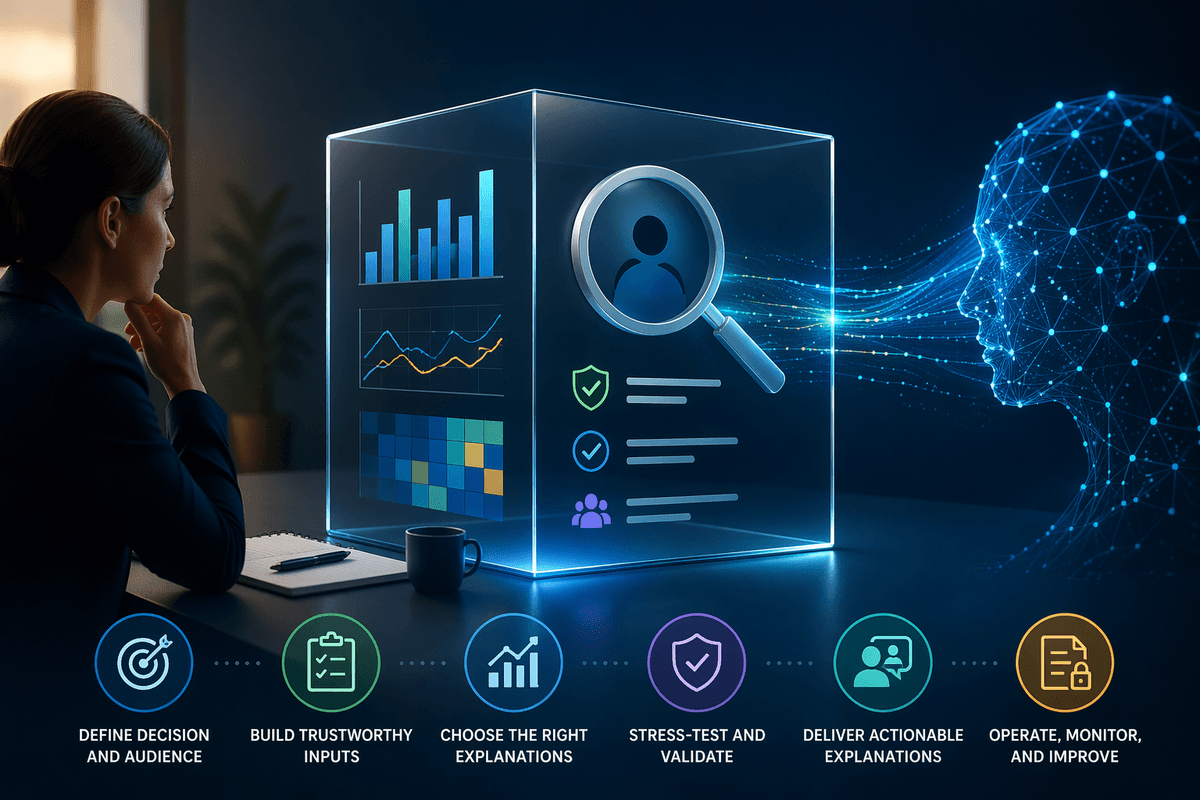
Making Machine Learning Models Easier to Explain
Learn practical explainable AI methods to justify ML decisions, choose interpretable models, create human-readable features, and stress-test explanations.
 Basics Theory
AI Learns Physical Systems Through Simulation
Learn why simulation helps AI learn physical systems, how to choose fidelity vs speed, use domain randomization, and bridge the sim-to-real reality gap.
 Basics Theory
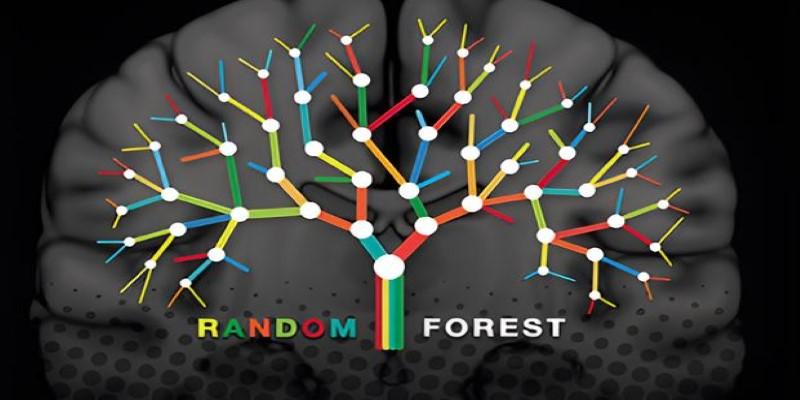
Understanding the Random Forest Algorithm in Machine Learning: A Clear Guide
How the random forest algorithm in machine learning works, including its structure, strengths, and practical use cases. A beginner-friendly guide with clear explanations
 Basics Theory
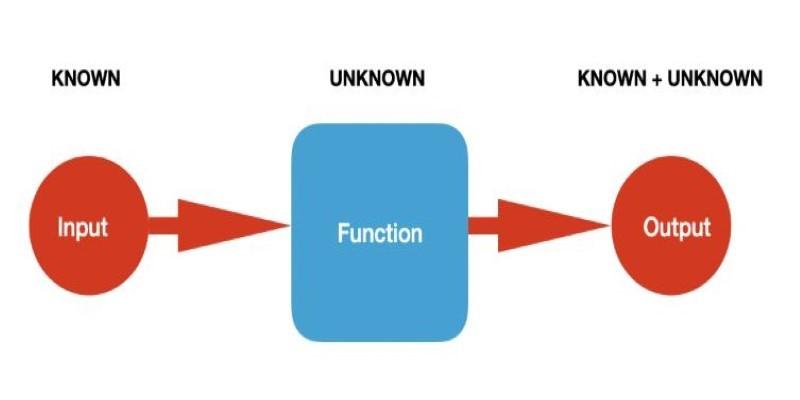
Semi-Supervised Learning: How It Works and Why It Matters
What semi-supervised learning is, how it works, and why it’s becoming essential in modern machine learning. Learn how this approach combines labeled and unlabeled data to create smarter, more accurate models